Lurcher feeding guide
The Lurcher is a type, not a breed — a sighthound (greyhound, whippet, deerhound) crossed with a working dog (collie, terrier, etc.), and it is not recognised by the Kennel Club or AKC. Because the sighthound parent determines the frame, lurchers come in three broad size bands — whippet-type at 9–16 kg, greyhound-type at 16–32 kg, and deerhound-type at 32–45 kg — and two puppies from the same litter can differ by 20 kg as adults. The cross has its own name and rules: a sighthound × sighthound cross is a longdog, not a lurcher, and a lurcher is not a retired racing greyhound despite the shared silhouette. For feeding, the dog's actual current weight matters far more than the name: a 12 kg whippet-type and a 38 kg deerhound-type can differ by more than 1,000 kcal per day.
What all Lurchers share
A lurcher is a type, not a breed — a sighthound crossed with a working dog, and the bowl follows the mix. Lean is normal: sighthound body fat runs so low that visible ribs and an obvious waist are the healthy state, not a welfare concern (Dogs Trust teaches the WSAVA body condition check specifically for lurcher owners). The deep chest brings a real bloat (GDV) risk — feed at least two measured meals a day and avoid hard running an hour either side of food. Don't borrow the retired-racer feeding script: Purina's own lurcher guide warns they are not ex-racing greyhounds, and the collie or terrier in the mix usually means more exercise and more calories than a track dog. The notorious "opportunistic thief" appetite means treats count — keep them under 10% of daily calories and don't leave the counter unattended.
- Yes
- No
- Normal
- Active — daily training / long runs
- Working dog — sled, hunting, herding
- On a weight-loss plan
Skip if you only need calories. 93 verified foods — or pick "My food isn't listed" to enter kcal from the bag.
Copy both from the bag's Calorie Content (ME) label — dry foods typically run 3,300–4,200 kcal/kg.
Estimates only — not veterinary advice
Feeding guides are a starting point — individual dogs vary with metabolism, activity, and body condition. Adjust by how your dog looks and feels, and talk to your vet before major changes.
Whippet-type Lurcher — feeding chart & growth
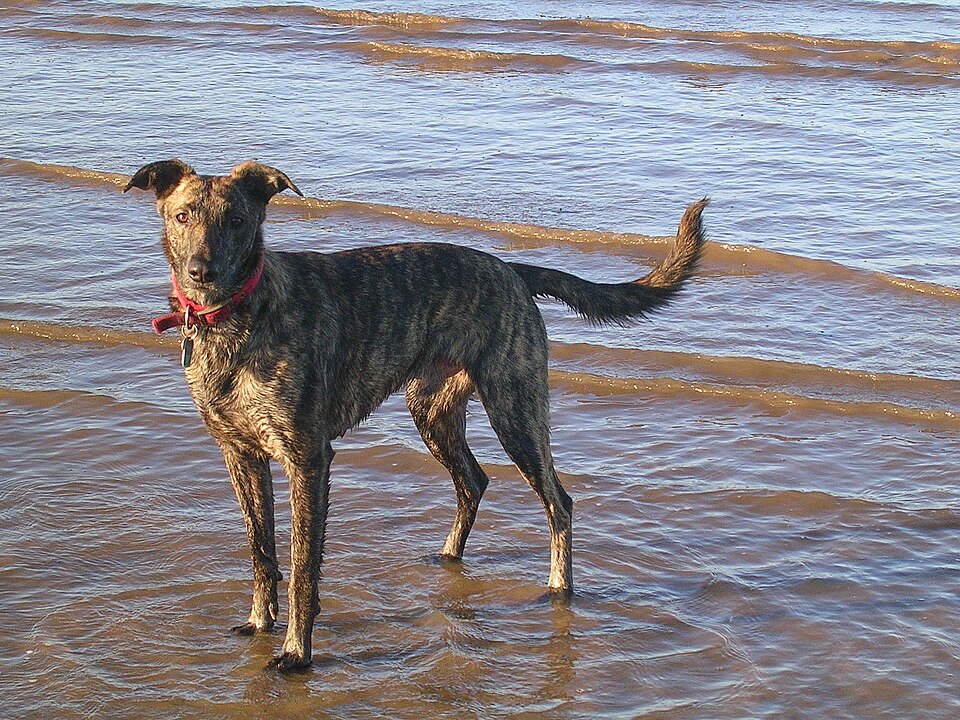
Adult weight range: 9–16 kg · 20–35 lb
♂ Male
| Age | Healthy range (kg · lb) |
|---|---|
| 2 mo | 2–3 kg · 4–7 lb |
| 3 mo | 3–5.5 kg · 7–12 lb |
| 4 mo | 4–7.5 kg · 9–17 lb |
| 5 mo | 5–9.5 kg · 11–21 lb |
| 6 mo | 6–10.5 kg · 13–23 lb |
| 8 mo | 6.5–12 kg · 14–26 lb |
| 12 mo | 8–14 kg · 18–31 lb |
| 18 mo | 9–16 kg · 20–35 lb |
♀ Female
No source separates sex for this cross — females typically run 10–15% lighter. Read the lower half of the band.
Greyhound-type Lurcher — feeding chart & growth
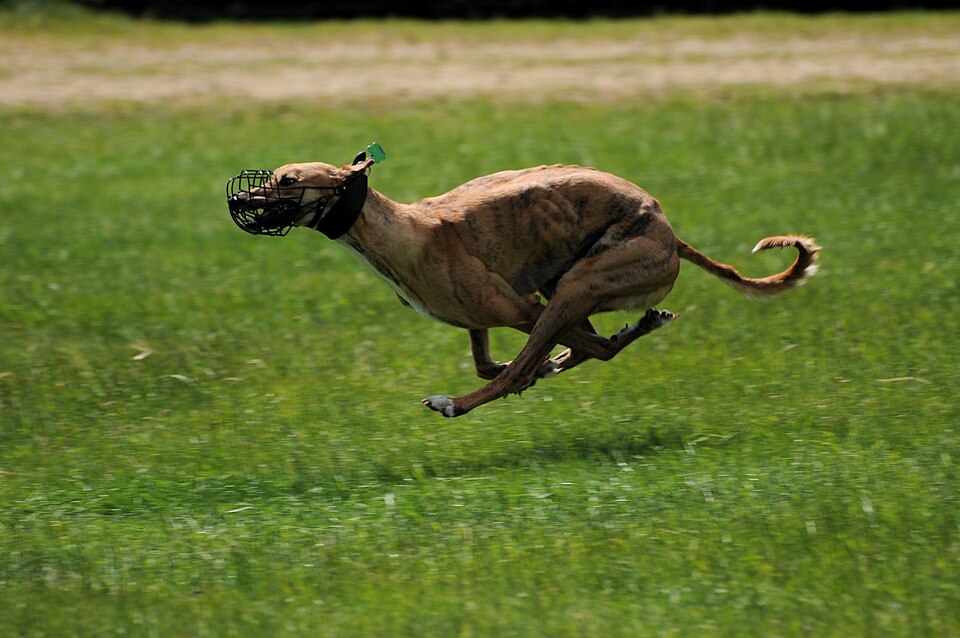
Adult weight range: 16–32 kg · 35–71 lb
♂ Male
| Age | Healthy range (kg · lb) |
|---|---|
| 2 mo | 3–6.5 kg · 7–14 lb |
| 3 mo | 5–11 kg · 11–24 lb |
| 4 mo | 7.5–15.5 kg · 17–34 lb |
| 5 mo | 9–19 kg · 20–42 lb |
| 6 mo | 10–21 kg · 22–46 lb |
| 8 mo | 11.5–24 kg · 25–53 lb |
| 12 mo | 14–28 kg · 31–62 lb |
| 18 mo | 16–32 kg · 35–71 lb |
♀ Female
No source separates sex for this cross — females typically run 10–15% lighter. Read the lower half of the band.
Deerhound-type Lurcher — feeding chart & growth
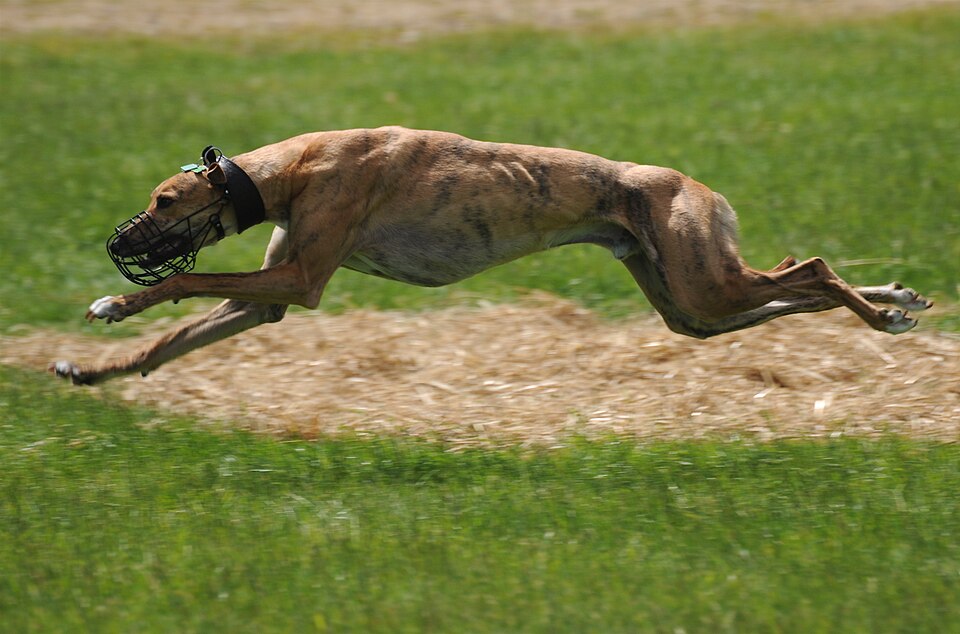
Adult weight range: 32–45 kg · 71–99 lb
♂ Male
| Age | Healthy range (kg · lb) |
|---|---|
| 2 mo | 6–9 kg · 13–20 lb |
| 3 mo | 10.5–15.5 kg · 23–34 lb |
| 4 mo | 15–21.5 kg · 33–47 lb |
| 5 mo | 18–26.5 kg · 40–58 lb |
| 6 mo | 20.5–29 kg · 45–64 lb |
| 8 mo | 23–33.5 kg · 51–74 lb |
| 12 mo | 27.5–39.5 kg · 61–87 lb |
| 18 mo | 32–45 kg · 71–99 lb |
♀ Female
No source separates sex for this cross — females typically run 10–15% lighter. Read the lower half of the band.
Frequently asked questions
How much should I feed my lurcher?
Feed the dog in front of you: a small whippet-type lurcher (9–16 kg) needs roughly 510–900 kcal a day, a greyhound-type (16–32 kg) 785–1,510, and a deerhound-type (32–45 kg) 1,320–1,955 — computed from the WSAVA formula (RER = 70 × kg^0.75 × 1.4–1.6). A typical 22 kg lurcher lands near 1,000–1,150 kcal, about 2.5 cups of a 400 kcal/cup dry food. The calculator on this page does the exact math for your dog's actual weight.
Why can I see my lurcher's ribs?
That's what a healthy lurcher looks like. Sighthound body fat is naturally very low — ribs you can see and easily feel, an obvious waist, and a tucked-up belly are the breed-standard condition (BCS 4–5 of 9). Dogs Trust's lurcher guide teaches exactly this check. Genuine underweight looks different: hip and spine bones protruding with no fat cover at all. If in doubt, run your hands along the ribs — you should feel them like the back of your hand, not like a ridge.
How much should a lurcher weigh?
There's no breed standard — a lurcher is a type, not a breed. Most fall into three bands by sighthound parent: whippet-type 9–16 kg, greyhound-type 16–32 kg (VioVet's "average lurcher" of 27–32 kg sits at the top of this band), and deerhound-type 32–45 kg. Same litter can produce a 15 kg and a 35 kg adult. Weigh monthly through the first year and feed the dog in front of you, not the label.
When is a lurcher fully grown?
By sighthound line: whippet-type lurchers typically reach adult size at 12–14 months, greyhound-types at 14–16 months, and deerhound-types continue filling out to 18–24 months. Large-type puppies should stay on a large-breed puppy formula (controlled calcium) until growth plateaus.
Is a lurcher the same as a greyhound or a longdog?
No on both. A lurcher is a sighthound crossed with a working dog (collie, terrier, etc.). A longdog is a sighthound crossed with another sighthound — a different cross. And a lurcher is not a retired racing greyhound: Purina's lurcher guide specifically warns against treating them like ex-racers, because the working-dog side usually means more energy and a different feeding rhythm.
My lurcher steals food — how do I manage treats?
Purina's guide calls the lurcher "a highly opportunistic thief… extremely determined and very agile" — counter-surfing is practically a breed trait. Management: keep counters clear, count every stolen bite against the daily total, and keep treats under 10% of daily calories. A lurcher that's fed the right amount for its weight and exercise won't be any hungrier than the next dog — just more creative about getting extra.
How often should I feed a lurcher puppy?
Three to four meals a day at 8–12 weeks, three meals through months 4–6, then two meals from six months onward. The adult two-meal pattern is not optional for deep-chested lurchers — it's the primary defence against bloat (GDV). Avoid hard exercise for an hour before and after meals.
What's the best dog food for a lurcher?
There's no evidence lurchers need a special formula, though the UK market sells one (Burgess Supadog Greyhound & Lurcher). Any complete FEDIAF or AAFCO food works — choose the calorie density that suits your dog's size (a 400 kcal/cup dry suits most medium lurchers) and watch body condition. Many working-lurcher owners prefer higher-protein diets, which is fine but not required. Your vet can confirm the right amount for an active or working dog.